
Austin, Texas · apartments & rentals
Find a place in Austin that actually fits
For the first time in years, renters have room to breathe. A wave of new construction has softened rents off their 2022 peak and brought concessions back. Here's how to read the market, pick a neighborhood, and sign a lease you won't regret.
Where things stand
The market finally tilted toward renters
Austin spent a decade as a landlord's town. That changed when tens of thousands of apartments came online all at once. Buildings that used to fill themselves now compete for tenants, and that competition shows up as lower asking rents, waived fees, and a free month or two dangled to get you to sign.
Rents off peak 5–10%Concessions backMore inventory every monthLeverage yours
It won't last forever, and it isn't uniform, the deals are deepest in the newest luxury buildings with empty floors to fill, and thinnest in the older, cheaper places people never leave. Knowing which is which is most of the game, and that's what this site is for.
The lay of the land
Where to live, and who it suits
Central & downtown
Downtown, Rainey Street, and the stretch along South Lamar and Zilker put you a walk or short ride from the lake trail, work, and the bars. Expect the highest rents in the city, but also the most new high-rises, which means the most aggressive move-in deals.
East & south
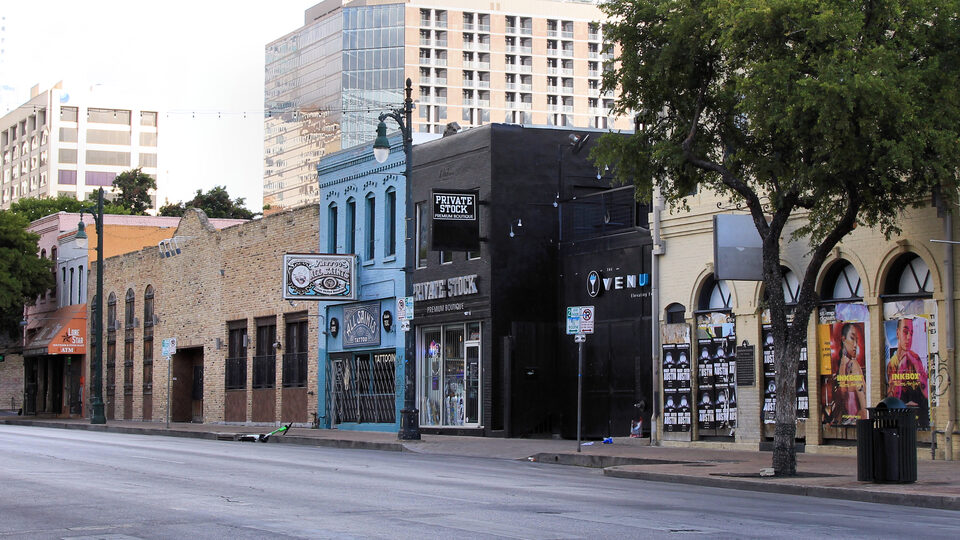
East Austin and South Congress carry the city's best food and music, and more character per dollar than downtown. Pockets are still reasonable; the trade-off is noise near the busy strips. This is where a lot of people want to land first.
The outer ring
Mueller and the Domain give you walkable, master-planned living a bit out from the core, and Cedar Park, Pflugerville, and Round Rock are where your dollar stretches furthest, more space, longer commute. Good ground for families and remote workers.
What your money buys
Rent, block by block
A studio runs roughly $1,000–1,300, a one-bedroom $1,200–1,600, and a two-bedroom $1,600–2,200 — but the address moves those numbers hard. The same budget that gets you a shoebox downtown gets you a real one-bedroom with a yard in Pflugerville. Decide what you're actually buying: proximity, or square footage. You rarely get both.
The part that's free
Most of the good stuff isn't in the apartment
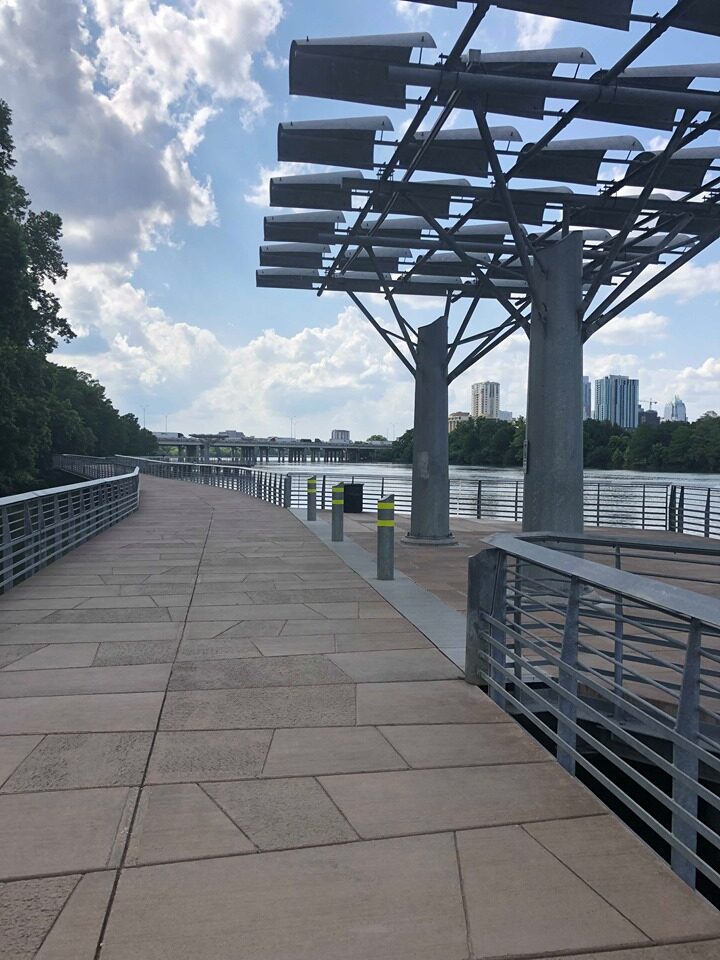
You'll spend less time in your unit than you think. Barton Springs holds 68° year-round, the hike-and-bike trail rings Lady Bird Lake for ten flat miles downtown, and the greenbelt and parks are open to everyone. When you weigh a place, weigh what's a walk away from it, that's rent you don't pay twice.
The playbook
How to search without getting played
A soft market only helps you if you ask for what's on the table. Four things worth knowing before you tour a single unit.
Cast a wide net
Start on the big listing sites, then drive the neighborhoods you like, small landlords still put signs in windows. A free locator, paid by the building, often knows where the real deals are.
Check the boring stuff
Summer electric bills, parking fees, package theft, flood zone, and the noise after dark. Read Google reviews, not the building's own. Visit at the hour you'd actually be home.
Ask for the free month
Waived admin fees, a lower deposit, included parking, a free month or two, new buildings with empty floors will deal. On renewals, push back; turnover costs them far more than keeping you.
Move in the off-season
October through February is slowest and softest. Avoid August and September, when UT move-in spikes demand and prices with it. The calendar is a lever most renters never pull.
From the news desk
Latest on the Austin rental market
We track rents, inventory, and the policy fights that move them, so you don't have to. A few recent reads:
What actually brought rents down
Austin leaned into building. Here's how that turned into lower rent for the people already living here.
Renters catch a break
A rough patch for the housing market is a good one for anyone signing a lease this year.
What renters pay, by county
Travis, Williamson, Hays, the metro is not one price. Where the gaps are widest.

Start the search
Make a smart move
Neighborhoods, real numbers, and the honest trade-offs, in one place, kept current. Begin with the questions most renters ask first.